
What Are The Differences Between Local Rates And Online Prices?
If you're involved in investing, travel, or business activities It is important to know the difference between online and local rates. Local rates are the exchange rates provided by physical currency exchange outlets banks, ATMs, or banks in your local area or in your destination. Online rates refer to the currency conversion rates offered by digital platforms and financial organisations. The rates offered by these institutions can be quite different, impacting the amount you pay to convert money as well as the value of your investment. It is possible to make educated decisions and save money by knowing the differences between online and local rates. These are the 10 most important tips for successfully navigating the local and online rates.
1. Find out about the various rates
Local exchange rates may differ considerably from online rates because of factors such as overhead expenses, demand, as well as market conditions. Local exchange companies typically charge higher fees and offer lower exchange rates due to their operating expenses. Online platforms typically offer better rates because they have lower overhead. If you are aware of these differences, you can choose the most appropriate option for exchange.
2. Compare rates before you exchange currencies.
Compare the rates of online and local currency exchanges prior to making the decision. Check rates in real-time using currency converters. If, for instance, you're traveling to a different country, look up the exchange rate on the internet and then compare it with what local currency exchange booths or banks provide. This comparison will help you discover the best solution and save money.
3. Utilize Online Currency Exchange Platforms
The online currency exchange platforms such as Wise or Revolut are usually more competitive and provide lower fees than the local banks. They typically offer instant rate exchanges and complete transparency on the fees. When you use these services, you'll be able to ensure that you're getting the most value on currency conversion.
4. Be aware of dynamic currency Conversion (DCC).
When you buy items abroad, the option may seem to be to pay using your own currency with Dynamic Currency Conversion. Although this may appear convenient, it often comes with a negative exchange rate as well as extra fees. Make sure to pay in local currency whenever you can to avoid cost-intensive fees of DCC.
5. Take into consideration the convenience as opposed to. Cost
If you are deciding between local and online rates, consider the cost versus the convenience. Local exchanges could provide immediate access to cash that can be beneficial when traveling. Exchanges online are usually cheaper, but they may require you to establish an account. Examine your requirements based on your plans for travel or business needs to decide the best option for you.
6. Monitor Exchange Rate Trends
Monitoring the trends in exchange rates will help you make educated decisions about when to convert your currency. Online platforms usually provide historical data and analysis tools that allow you to monitor exchange rate fluctuations. Knowing the market will help you plan your currency exchanges more effectively so that you can benefit from the best rates.
7. Calculate ATM fees and withdrawing limits within your area.
You may have to pay fees if you opt to withdraw cash locally at an ATM. Different banks may charge various fees for international transactions ATMs typically have their own limits for withdrawals. Doing a search for ATMs in your area prior to your trip can assist you in finding ATMs that have lower fees or higher rates, which will ensure you benefit the most from your withdrawals.
8. No-Fee Currency Exchange Services
A few online platforms, as well as banks, provide free conversion of currency for their customers. This can be particularly beneficial for frequent travelers or businesses who regularly trade in foreign currency. You may want to consider opening a bank account for exchange for more favorable rates and lower fees.
9. Get advice from Financial Experts for Large Transactions
If you're managing large sums of money or complicated currency exchanges, seeking advice from experts in the field can be invaluable. Currency experts are well-versed in the most efficient methods to manage local and online rates. This is crucial for companies that engage in international trade or for investors looking to get the most exposure from their currency.
10. Plan Ahead to Prepare for the need to purchase currency
Making plans ahead can help you save time and money regardless of whether you're traveling for business or on vacation. Consider how much currency you'll need during your travels and decide on the best method of exchange. If the local exchange rate isn't favorable, convert your money on the internet prior to your trip. You'll get better rates and won't lose any money.
With these helpful tips for local versus online rates, you will be able to navigate the complexities of currency exchange with greater ease regardless of whether you're travelling for business or monitoring investments. Knowing the advantages and disadvantages of both will help you to make the right financial choices that are in line with your goals and save you money. Follow the best CAD to USD examples for blog info including pesos to usd, usd to aud, usd to cop, dollar to canadian dollar, php to dollar, us dollar to pakistani rupee, usd to eur, us dollar to colombian peso, colombian peso to usd, eur to usd and more.
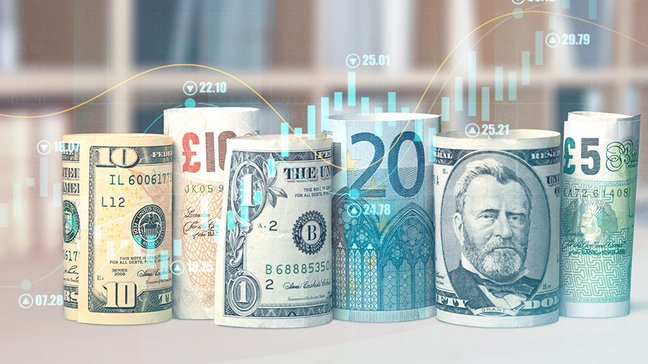
Top 10 Tips On Transaction Limits In Terms Of Rates Of Exchange And Currency.
These limits are vital for financial transactions. They can be used for corporate transactions, or even investment management. The limits are the amount of money which can be transferred within a set period. It is typically determined by banks, financial institutions, or payment platforms. Knowing your transaction limits is essential to maximize your financial strategies, and avoid delays or fees. Limits on transactions can affect the cash withdrawals you make or purchases you make in foreign countries. They also impact cash flow management and processing of payments for businesses. Investors need to be aware of the limitations on transactions when purchasing or selling assets. The top 10 tips on how to effectively manage limits on transactions in your financial dealings are listed below.
1. Know Your Bank's transaction limits
Financial institutions and banks have their own restrictions for purchases, transfers, and withdrawals. It is important to be aware of these limitations prior to traveling or performing major transactions. This information will help you manage your finances efficiently and prevent issues when you are trying to access funds, or purchase items from in foreign countries. Your account limits are available on the site of your bank or by contacting their customer service.
2. Plan Cash Withdrawals While Traveling
If you are planning to go on a trip, it's important to plan cash withdrawals so that they do not exceed the limit established by your bank. If you know the daily limit for withdrawals then you can determine how much cash you will require for your journey. If you'd like to avoid running out of cash take out larger amounts of cash all in one go. Be aware of foreign ATM fees. If you are concerned that your withdrawals may exceed the limit, consider making a backup plan for your payment system.
3. Utilize Multiple Payment Methods
If transaction limits are in place, relying on only one payment method can be risky. Ensure you can access funds at any time making use of a combination of credit/debit, cash and mobile payments apps. This approach can help you avoid exceeding transaction limits on one account, and also allows you to be flexible in managing your finances when travelling or working.
4. Be aware of your transactions on a regular basis.
The ability to monitor your transactions will help you keep track of your spending, and make sure you do not exceed your budget. Most banks offer mobile applications that track your transactions live and provide information on your balance. Be aware of the activities of your account to monitor your finances and avoid any unanticipated issues whenever you purchase.
5. Find out about the limits on international transactions.
Ask your bank for their policy on international transactions limits If you plan to make international withdrawals or purchases. Certain banks have stricter limits on foreign transactions. These restrictions could make it difficult to withdraw cash or buy items while traveling abroad. Knowing these restrictions allows you to make best choices and prevent interruptions during traveling.
6. Be aware of alerts for transactions
A lot of financial institutions have alert systems that inform you when you're about to reach your transaction limits. You can control your finances more effectively by setting up these alerts. They will also prevent you from exceeding the limit. This can be particularly useful for travellers, who are more likely to lose track of their expenses while traveling.
7. Keep an eye on daily and monthly limits
Limits on transactions are determined by different time frames for example, the daily limit or monthly limit. You may be permitted to withdraw a certain amount daily, but your bank will restrict your monthly transactions. Knowing these timespans can assist you in planning your transactions, and ensure you can access funds as needed without exceeding your limits.
8. Check with your bank regarding temporary limits and increases
You should consult your bank to determine whether there are any short-term limits that can be increased. A lot of banks will increase your limits on your behalf in the event of a legitimate reason. For example an upcoming trip or a major purchase. To facilitate the process you should contact your bank in advance to discuss your requirements and supply any documentation required.
9. Review Payment Platform Limits
Be aware that some payment services such as PayPal and Venmo, also have limit on transactions. Based on status of your account verification and user history, each platform may have different maximum transaction limits. Be sure to review these guidelines prior to making any transactions to avoid interruptions or delays in the processing of your payment.
10. Be aware of the limits regarding the investment of funds
– for investors, transaction limits could apply when selling or buying securities through brokerage accounts. These limits may hinder your ability to execute trades swiftly during volatile market periods. Be aware of your broker's transaction limits and how you can use these limits.
Being aware of and managing the limits of your transactions can help you get through the complexities of business and travel investment monitoring more efficiently. Knowing the policies of your bank and procedures, using a variety of payment methods and preparing for cash withdrawals will help you to make more informed decisions. The end result is that you will be able to enhance your financial planning and avoid unnecessary charges. Follow the best agree with for eur huf for website tips including us to baht, yen to usd, dollar to rmb, canadian dollar to usd, php to usd, us dollar to rupees, jpy usd, pesos to us dollars, inr to usd, rmb to dollar and more.
